
Modern Cross-Examination: Questioning Conventional Wisdom
A CLE course taught by trial attorney Sam Martin
About the Course
For decades, lawyers have learned cross-examination from Professor Irving Younger’s “Ten Commandments of Cross-Examination.” Those rules are taught in law schools and trial advocacy programs across the country. In practice, many of them don’t hold up.
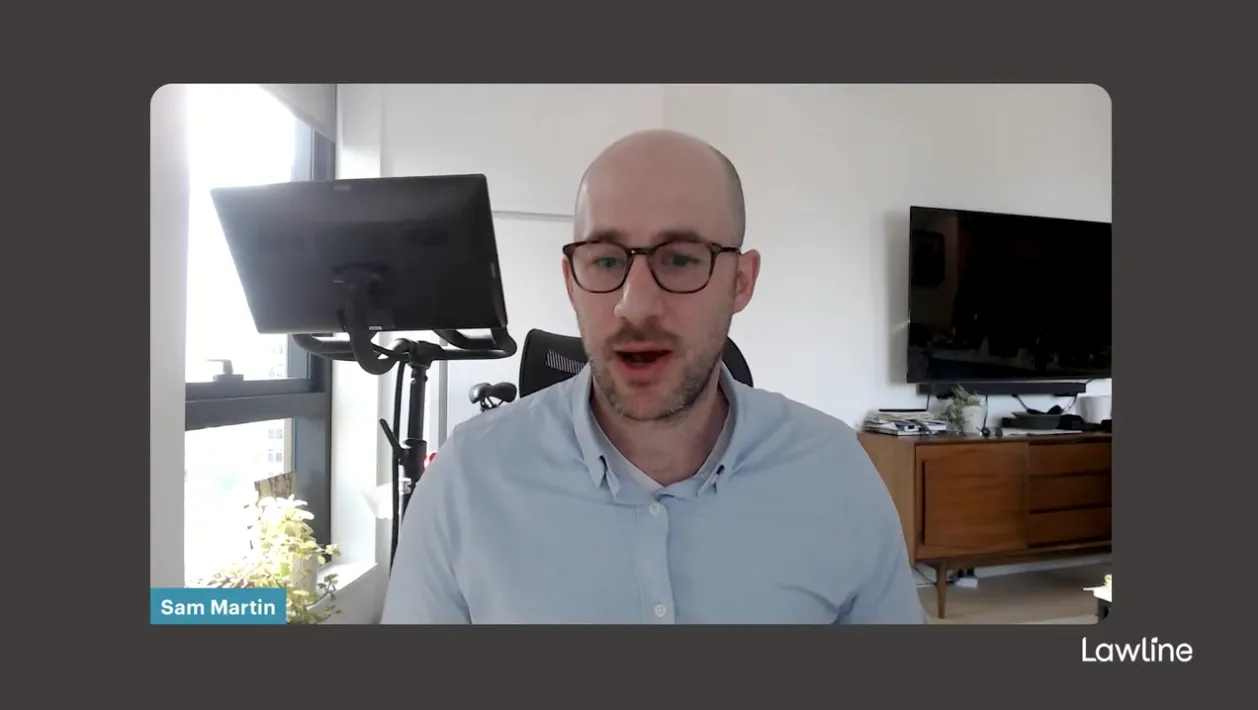
In this one-hour CLE, Sam Martin takes a hard look at that conventional wisdom. Drawing on his own trial experience, he explains where the traditional rules fall short in front of real juries. He then lays out a more modern approach to questioning adverse witnesses.
What the Course Covers
- Preparing for cross-examination: how to build a cross before you ever stand up in court
- The rules of cross: which conventions still matter and which ones to rethink
- What to ask, and what not to ask: choosing questions that advance your case
- Exposing bias: showing the jury why a witness’s testimony shouldn’t be trusted
- Pinning down witnesses: boxing in a witness so the answer can’t be walked back
Course Details
- Provider: Lawline
- Format: On-demand video with closed captions
- Length: 1 hour
- Level: Beginner
- Includes: Certificate of completion
- Access: Desktop and mobile
CLE credit availability varies by jurisdiction. See Lawline for credit details in your state.

About the Instructor
Sam Martin is a Washington, DC trial attorney. He represents people harmed by medical malpractice, sexual abuse, and catastrophic injuries in Washington, DC and New York City. He is a graduate of Yale and Stanford Law School and served as a federal judicial clerk. He has been named to The National Trial Lawyers Top 40 Under 40.
The Same Skills, Working for Our Clients
The cross-examination techniques Sam teaches other attorneys are the same ones he brings to every case he tries. When defendants, doctors, hospitals, and institutions take the stand, cross-examination is often where a case is won.
If you or a loved one was seriously injured, talk to a trial lawyer who is ready to go to court.